
How ERP helps in Packaging Industry | SAP B1 ERP
Streamlining Production Processes: The Role of ERP in Packaging
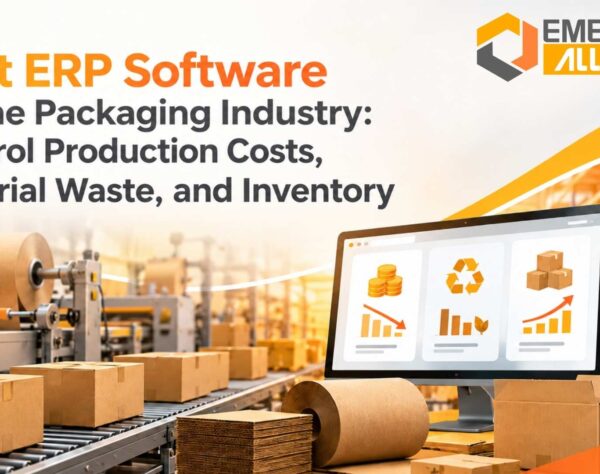
The packaging industry is integral to the global supply chain, ensuring products are safely transported and presented attractively to customers. The packaging industry plays a major link to the manufacturers and the consumers. To address these challenges, Enterprise Resource Planning (ERP) systems play a crucial role, facilitating efficient handling and enhancing overall safety and appeal during transportation and delivery to customers. Like many ERP SAP S/4 HANA, SAP Business One plays a major role in this industry.
Discover how Emerging Alliance empowers the packaging industry to boost process efficiencies, shorten time to market, and streamline costs through the utilization of tailored for the packaging sector.
Here’s an overview of how ERP software benefits the packaging industry:
Inventory Management with ERP System:
ERP software helps packaging companies manage their inventory effectively by providing real-time visibility into stock levels, tracking materials, and ensuring timely replenishment. This ensures that packaging materials are always available when needed, minimizing stockouts and reducing carrying costs.
Production Planning and Scheduling:
ERP systems enable packaging companies to optimize their production processes by efficiently scheduling manufacturing tasks, managing production workflows, and allocating resources effectively. This ensures that orders are completed on time and production capacities are utilized efficiently.
Supply Chain Management with:
ERP software facilitates seamless collaboration with suppliers and logistics partners by streamlining procurement processes, managing vendor relationships, and optimizing supply chain logistics. This helps packaging companies ensure timely delivery of materials and finished products while minimizing costs and disruptions.
Quality Control:
ERP systems include robust quality control features that allow packaging companies to monitor product quality throughout the production process, conduct inspections, and track compliance with industry regulations and customer requirements. This helps ensure that packaging materials meet the highest standards and comply with relevant regulations.
Financial Management:
ERP software provides packaging companies with comprehensive financial management capabilities, including invoicing, billing, budgeting, and financial reporting. This enables better financial visibility and control, helping businesses make informed decisions and optimize their financial performance.
Customer Relationship Management (CRM):
Many ERP systems include CRM functionality that allows packaging companies to manage customer relationships, track sales orders, and provide excellent customer service. This helps businesses build stronger customer relationships, increase customer satisfaction, and drive repeat business.
Analytics and Reporting:
ERP software offers powerful analytics and reporting tools that provide packaging companies with valuable insights into their operations, performance, and trends. By analyzing data on production efficiency, inventory levels, customer demand, and financial metrics, businesses can identify areas for improvement and make data-driven decisions to optimize their operations.
Overall, ERP software plays a crucial role in helping packaging companies streamline their operations, improve efficiency, reduce costs, and enhance customer satisfaction. By integrating and automating various business processes, It enables packaging businesses to stay competitive in a rapidly evolving industry.
To learn more about our services, please visit us at: https://erpdoctor.in/
FAQs About ERP for Packaging
1. How does ERP handle fluctuating raw material demand in seasonal packaging industries?
ERP systems use demand forecasting and historical data analysis to anticipate seasonal spikes. This allows packaging companies to pre-plan procurement and avoid last-minute shortages or overstocking.
2. Can ERP systems integrate with packaging machinery (e.g., printing, cutting, filling equipment)?
Yes, modern ERP solutions can integrate with shop-floor systems and IoT-enabled machines. This enables real-time production monitoring, machine utilization tracking, and predictive maintenance alerts.
3. How does ERP improve compliance with packaging regulations and sustainability standards?
ERP systems track material usage, certifications, and regulatory requirements, ensuring compliance with standards like food-grade or eco-friendly mandates. They also help generate audit-ready reports.
4. What challenges arise when implementing in small-to-mid-sized packaging companies?
Common challenges include high initial costs, resistance to change, data migration issues, and the need for employee training. Choosing scalable solutions like SAP Business One can mitigate these risks.
5. How does ERP reduce waste in packaging production processes?
ERP minimizes waste by optimizing material planning, improving batch accuracy, and providing real-time insights into defects or inefficiencies, allowing quicker corrective action.
6. Can ERP systems support custom packaging orders and short production runs?
Yes, systems allow flexible production planning and bill-of-material configurations, making it easier to handle customized packaging orders without disrupting overall workflows.
7. How does ERP enhance collaboration between packaging suppliers and manufacturers?
ERP enables shared data visibility, automated purchase orders, and real-time communication with suppliers, reducing delays and improving coordination across the supply chain.
8. What role does ERP play in reducing time-to-market for new packaging designs?
ERP accelerates product development by streamlining design approvals, material sourcing, and production scheduling, ensuring faster execution from concept to delivery.
9. How can ERP analytics help packaging companies identify profitability by product type or client?
ERP reporting tools break down costs, margins, and resource usage per order, customer, or product line, helping businesses identify high-profit segments and optimize pricing strategies.
10. Is cloud-based ERP more beneficial than on-premise packaging businesses?
Cloud offers scalability, remote accessibility, and lower upfront costs, making it ideal for growing companies, while on-premise ERP may suit firms requiring higher control over data.
Embark on an inspiring journey today – Visit our website and discover a world of knowledge, creativity, and endless possibilities! Don’t miss out on exclusive content and exciting updates. Click here to explore and be part of our thriving community!