
How Textile ERP Software Drives Efficiency & Growth
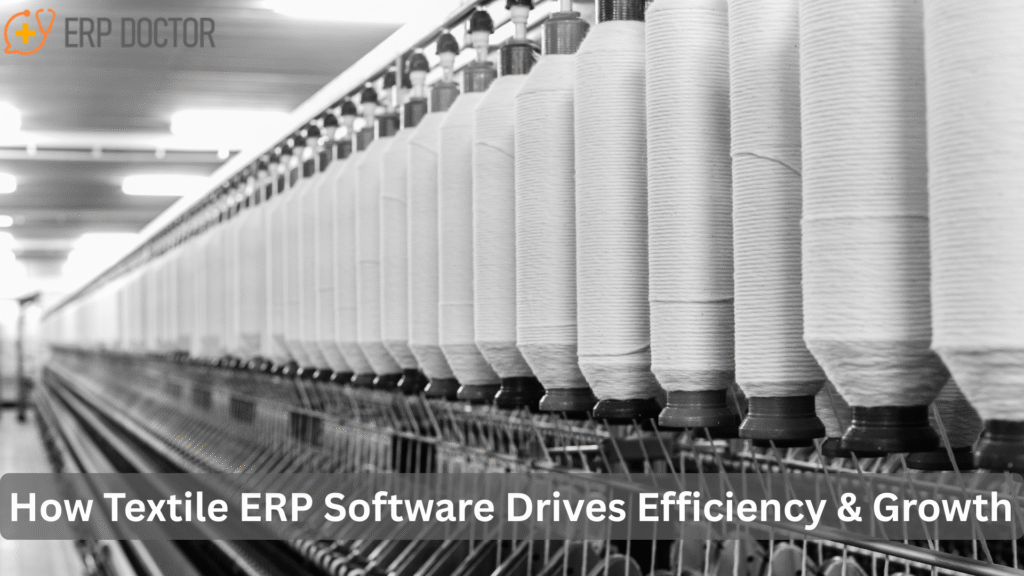
How Textile ERP Software Drives Efficiency, Quality, and Growth in the Textile Industry
Textile ERP Software is transforming the way modern manufacturers operate, helping them manage complex supply chains, meet rising customer expectations, and stay ahead of the competition. By streamlining operations, enhancing productivity, and ensuring consistent product quality, ERP solutions have become essential for the modern textile industry. This article explores how these systems can revolutionize your manufacturing processes.
5 Reasons to Implement ERP for a Successful Textile Industry
Adopting an ERP system can revolutionize operations in textile manufacturing Here are five compelling reasons:
1. Streamlined Production Processes
ERP systems help manage all aspects of textile manufacturing units—from raw material procurement to final product delivery. Real-time tracking ensures timely production and reduces errors.
2. Improved Inventory Management
With ERP software, textile companies can monitor stock levels, optimize storage, and prevent overstock or shortages. This directly impacts efficiency and profitability.
3. Enhanced Quality Control
Textile ERP software integrates quality checks at each stage of the textile manufacturing process, ensuring defect-free production and consistent output.
4. Data-Driven Decision Making
ERP solutions provide insights through dashboards and reports, helping managers make informed decisions. This is crucial for textile manufacturers aiming for sustainable growth.
5. Better Customer Service
Timely delivery, accurate order tracking, and inventory visibility improve customer satisfaction. ERP systems enable textile businesses to respond faster to market demands.
How ERP Streamlines Textile Manufacturing
Textile ERP software is specifically tailored for textile manufacturing industry requirements. Unlike generic ERP systems, it addresses challenges such as:
- Complex production schedules
- Multiple product variants
- Seasonal demand fluctuations
- Integration with machinery and logistics
Modern custom ERP solutions for textile manufacturers can be cloud-based, offering scalability and remote accessibility. This flexibility makes it ideal for textile businesses of all sizes.
Benefits of Cloud ERP for Textile Operations
Cloud technology brings additional benefits to textile manufacturing units:
Reduced IT Costs: No heavy on-premise infrastructure needed
Remote Access: Monitor operations from anywhere
Automatic Updates: Keep your ERP software features current
Scalability: Adjust resources based on demand
Cloud-based Textile ERP software ensures that manufacturers stay agile and competitive.
How ERP Improves Efficiency and Quality
Using ERP systems in the textile sector offers multiple advantages:
Operational Efficiency: Automates repetitive tasks and integrates multiple departments
Cost Reduction: Minimizes wastage and optimizes resource use
Compliance Management: Ensures adherence to industry regulations
Real-Time Reporting: Provides instant insights for better decision-making
Customizable Modules: Tailor features for your specific textile segment
ERP serves as a central hub for all operations, making it an indispensable tool for textile manufacturers.
Essential ERP Modules for Your Production Workflow
A well-designed ERP system for textile production includes modules to cover all aspects of production:
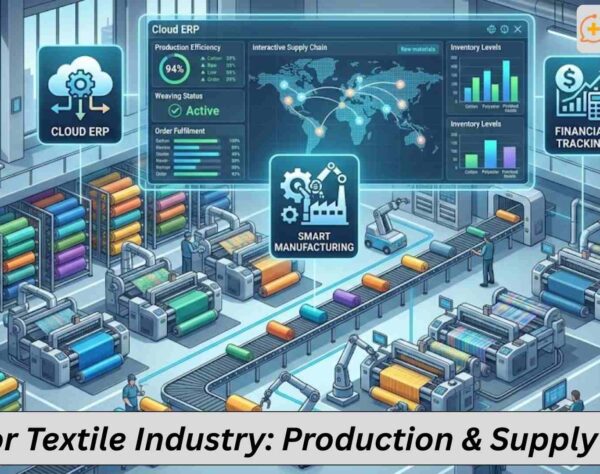
Production Planning Module: Schedule and track manufacturing operations
Inventory Management Module: Monitor raw materials and finished goods
Sales & Distribution Module: Manage orders, invoices, and deliveries
Finance Module: Automate accounting and cost tracking
Quality Control Module: Ensure consistent product standards
These modules work together to optimize the textile manufacturing process, enhancing productivity and reducing errors.
Tailored ERP Systems for Unique Textile Processes
Each textile business has unique requirements. Customizable ERP solutions allow manufacturers to:
- Adapt modules to specific processes
- Integrate with existing machinery and software
- Add reporting dashboards relevant to management
- Support diverse textile segments like spinning, weaving, and garmenting
Tailored Textile ERP software ensures maximum ROI and smoother operations.
Top Features of Textile Manufacturing Software
Modern Textile ERP software offers features designed to simplify operations:
Automated Production Tracking: Monitor progress and machine usage
Inventory Forecasting: Predict demand and optimize stock levels
Supplier & Vendor Management: Streamline procurement processes
Employee Management: Track workforce efficiency and labor costs
Maintenance Scheduling: Prevent downtime with timely equipment servicing
These features collectively strengthen the textile manufacturing industry’s competitiveness.
Processes of Textile Manufacturing Industry
ERP systems map and optimize each step of the textile manufacturing process:
Raw Material Procurement → Spinning → Weaving → Dyeing → Finishing → Packaging → Distribution
ERP software helps manage these steps efficiently, ensuring that production is consistent, on schedule, and cost-effective.
Why ERP Top ERP Platforms for the Textile Industry: Best Solutions to Consider in 2025
The textile industry is one of the most dynamic and complex sectors, dealing with fluctuating demand, multiple product variants, fast-changing trends, and intricate production workflows. To stay competitive, textile manufacturers depend on advanced ERP systems that streamline operations, enhance quality control, and provide real-time decision-making across every stage—from yarn to finished garments.
Below are the leading ERP platforms textile manufacturers are choosing in 2025.
1. SAP Business One
SAP Business One is widely used across spinning, weaving, dyeing, and garment manufacturing units. It is ideal for SMB and mid-sized textile enterprises.
Key advantages:
- Real-time production and batch tracking
- Multi-level BOM for textile processes
- Integrated quality control for every stage
- Advanced cost & margin visibility
- Smooth procurement and inventory management
SAP B1 is highly customizable for segment-specific needs like spinning count, yarn dyeing batches, and fabric roll tracking.
2. Microsoft Dynamics 365
Dynamics 365 brings ERP, CRM, AI, and IoT under one unified platform—making it perfect for modern textile manufacturers embracing automation.
Highlights:
- IoT integration for machine monitoring
- Predictive maintenance for textile machinery
- AI-powered demand forecasting
- Workflow automation for production planning
- Strong multi-location warehouse control
This ERP is preferred by garment exporters and large textile groups requiring real-time visibility across multiple factories.
3. Oracle NetSuite
A popular cloud ERP for growing textile companies, NetSuite is known for its flexibility and ease of deployment.
Key features:
- Cloud-native architecture for remote access
- Seamless order-to-delivery tracking
- Vendor management & procurement automation
- Financial consolidation across departments
- Inventory optimization for raw materials & finished goods
NetSuite is a strong choice for fashion & apparel brands handling rapid style changes and seasonal demand.
4. Infor CloudSuite Industrial
Infor CSI is designed for process-heavy, batch-driven textile operations like dyeing, finishing, and fabric processing.
Core strengths:
- Deep industry-level traceability
- Automated production scheduling
- Built-in quality management
- Formula & recipe management for dyeing
- Robust cost analysis tools
Infor is preferred by textile companies that require strict compliance, machine-level tracking, and optimized production efficiency.
5. Odoo ERP
Odoo provides an affordable, modular ERP platform ideal for small textile manufacturers and units transitioning from manual processes.
Benefits:
- Easy customization for unique textile workflows
- Integrated production, inventory, and sales modules
- Barcode-based warehouse tracking
- Real-time reporting dashboards
- Fast implementation with low cost
Odoo is especially useful for start-ups, local manufacturers, and small garment units.
Why These ERPs Lead the Textile Industry in 2025
These platforms stand out because they support the core needs of textile businesses:
- Multi-stage production visibility (spinning → weaving → dyeing → finishing → packing)
- Accurate tracking of rolls, lots, batches, and styles
- Quality control at each checkpoint
- Compliance with global standards
- Supply chain optimization for raw materials, trims, and finished products
- Scalability for multi-factory setups
As the textile industry moves toward smart factories, automation, and real-time analytics, these ERP systems provide the digital backbone required for sustainable growth.
The Future of Textile Manufacturing with ERP Solutions
In today’s fast-paced business landscape, collaboration is the key to innovation and growth. We are excited to announce our emerging alliance, bringing together industry leaders, technology experts, and visionary partners to create solutions that drive efficiency, sustainability, and value.
This strategic partnership is designed to:
- Leverage Combined Expertise: By uniting diverse skills and knowledge, we can tackle complex challenges more effectively.
- Accelerate Innovation: Our alliance fosters collaborative development of cutting-edge products and services.
- Expand Market Reach: Together, we can explore new markets and deliver enhanced solutions to a wider audience.
- Enhance Customer Value: Shared resources and insights ensure higher quality, faster delivery, and greater satisfaction.
As an ERP Doctor, our focus is on building long-term, mutually beneficial relationships that empower businesses, employees, and communities alike. By collaborating strategically, we aim to redefine industry standards and create opportunities for sustainable growth.
Join us on this journey as we combine strengths, share vision, and innovate for a better tomorrow. Together, we are stronger, smarter, and ready to lead the way.
Frequently Asked Questions about Textile ERP Software
How ERP Transforms Textile Manufacturing Processes?
Manufacturing ERP software for the textile industry is a specialized system designed to streamline all processes in a textile manufacturing unit—from raw material procurement to production, quality control, and delivery. By centralizing operations, it improves efficiency, reduces costs, and ensures smoother business workflows.
How Does Cloud-Based ERP Software Benefit Textile Manufacturers?
Cloud-based ERP software allows textile manufacturers to:
- Access real-time data from anywhere.
- Reduce IT infrastructure and maintenance costs.
- Scale operations easily as the business grows.
- Receive timely updates for uninterrupted operations.
This enables seamless collaboration and smarter decision-making across departments.
What Makes Textile Manufacturing ERP Software Different from Generic ERP Solutions?
Unlike generic ERP systems, textile ERP software is specifically tailored for the textile industry. It addresses unique challenges such as:
- Handling multiple product variants.
- Managing seasonal demand fluctuations.
- Integrating with specialized production machinery.
This industry-specific design ensures the software meets the operational needs of textile businesses more effectively.
How Can an ERP Solution Improve Operational Efficiency in Textile Manufacturing?
ERP solutions enhance operational efficiency by:
- Centralizing data across departments.
- Automating workflows and approval processes.
- Optimizing production schedules, inventory levels, and sales processes.
These capabilities reduce downtime, prevent resource wastage, and improve overall productivity.
Key ERP Software Features for the Textile Industry
A robust textile ERP system typically includes:
- Inventory Management – Tracks raw materials and finished goods.
- Production Planning – Streamlines scheduling and resource allocation.
- Quality Control – Ensures consistent product standards.
- Supplier Management – Manages procurement and vendor performance.
- Customizable Reporting – Provides actionable insights for decision-making.
These features are specifically designed to address the unique demands of textile manufacturing.
How Do Textile ERP Systems Address Manufacturing Challenges?
Textile ERP systems help overcome common challenges, including:
- Complex supply chains.
- High production costs.
- Maintaining consistent quality.
- Ensuring timely deliveries.
They provide real-time tracking, analytics, and automation, enabling manufacturers to respond proactively to issues.
Relevant ERP Modules for the Textile Industry
Key ERP modules that support textile operations include:
- Production Planning
- Inventory Management
- Sales & Distribution
- Finance & Accounting
- Quality Control
- Maintenance Management
Each module is designed to enhance efficiency and visibility in its respective area of textile manufacturing.
Can Textile ERP Software Be Customized for Specific Segments?
Yes, custom ERP software can be tailored to different textile segments such as:
- Spinning
- Weaving
- Dyeing and finishing
- Garment manufacturing
This ensures that the ERP system aligns perfectly with the specific production requirements of each segment.
Benefits of Textile ERP Software for Manufacturers
Implementing textile ERP software provides several advantages:
- Streamlined production processes.
- Reduced operational costs.
- Improved quality control.
- Real-time reporting for better decision-making.
- Enhanced customer satisfaction through timely deliveries and product consistency.
These benefits make ERP systems essential for modern textile businesses.
How Do Key ERP Features Ensure Successful Textile Manufacturing?
Features like automated production tracking, inventory forecasting, supplier and workforce management, and maintenance scheduling help textile manufacturers:
- Maintain operational efficiency.
- Meet delivery timelines.
- Ensure consistent product quality.
These factors are critical to achieving success in the highly competitive textile industry.