
ERP Software for Textile Industry: Boost Efficiency
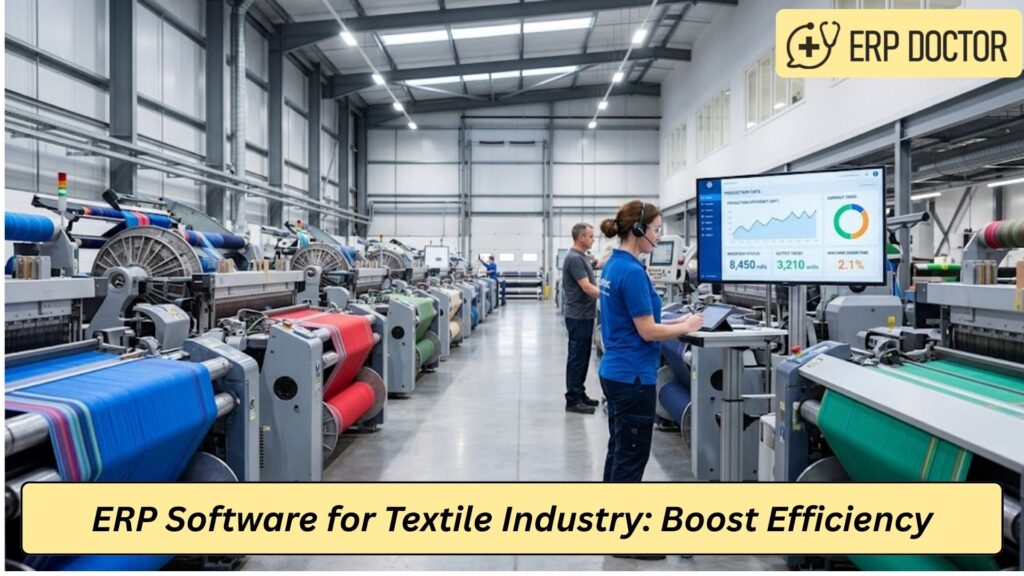
ERP Software for Textile Industry: Managing Production, Inventory, and Compliance
The textile industry faces unique challenges in production, inventory management, and regulatory compliance. ERP software for the textile industry has become essential for businesses aiming to streamline operations, enhance efficiency, and ensure quality control. From raw material tracking to finished product delivery, a well-implemented ERP solution can transform how textile manufacturers operate.
Benefits of ERP Software for Textile Industry
Learn how ERP software for textile industry streamlines operations, improves production efficiency, and reduces costs for textile manufacturers.
Efficient Production Planning: Proper scheduling of machinery and labor ensures on-time delivery and reduces downtime.
Inventory Control: Track raw materials, work-in-progress, and finished goods accurately to avoid stockouts and overstocking.
Regulatory Compliance: ERP systems help maintain records for audits, certifications, and labor regulations.
Integration Across Departments: A unified ERP platform connects production, finance, procurement, and sales for seamless operations.
How ERP Software for Textile Industry Enhances Efficiency
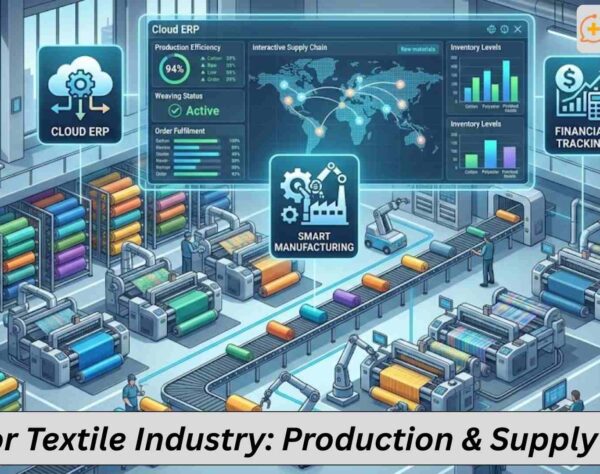
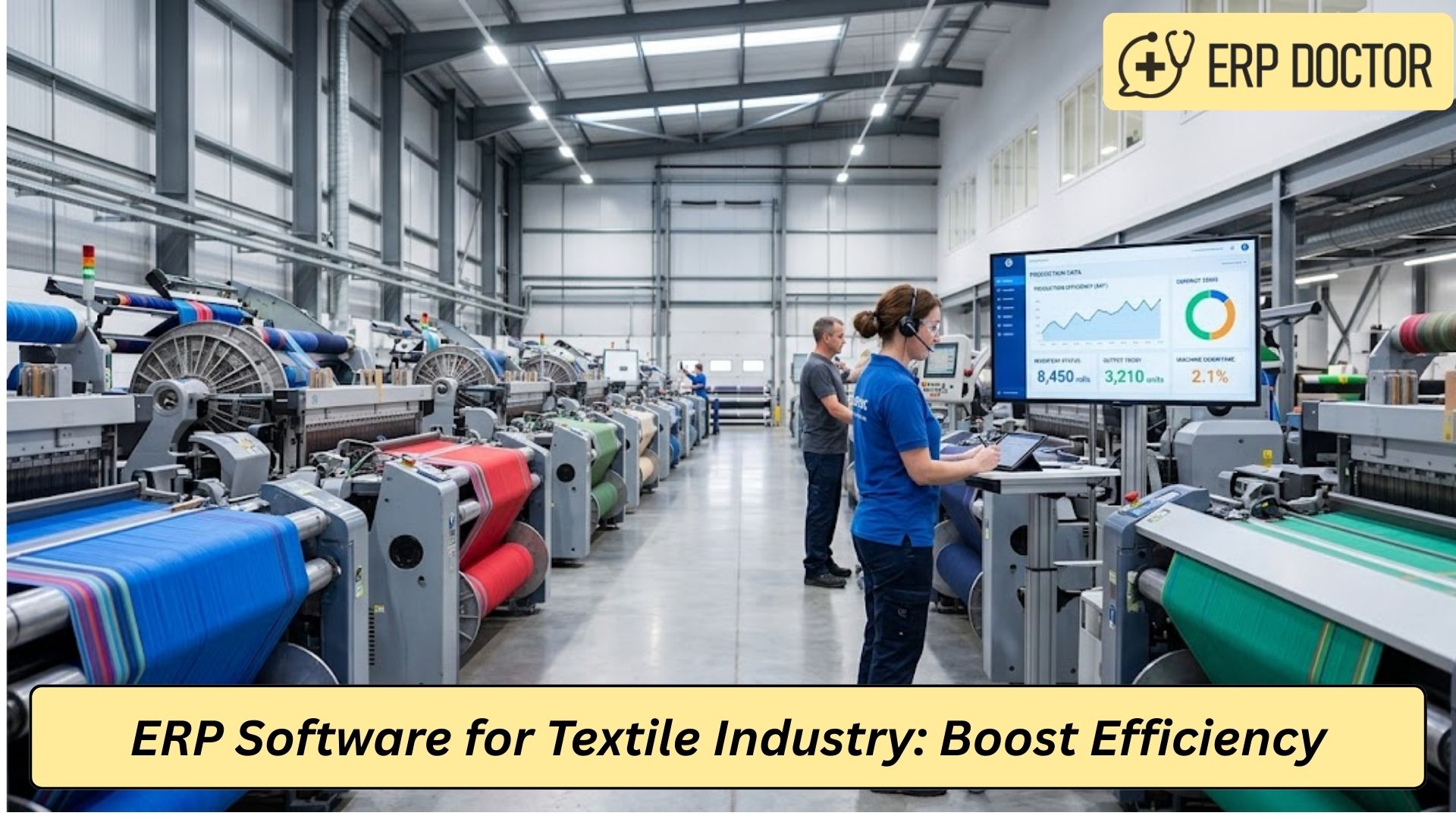
ERP software for textile industry centralizes data, automates workflows, and provides real-time insights to boost manufacturing performance.
Real-Time Production Tracking: Monitor the progress of manufacturing orders in real time.
Customizable Dashboards: Tailor data visualization for decision-makers in production, procurement, and finance.
Quality Control Modules: Check every batch against defined quality standards to minimize defects.
Supplier and Vendor Management: Automate procurement processes and monitor supplier performance.
Inventory Forecasting: Predict raw material requirements to optimize stock levels and reduce wastage.
Key Features of ERP Software for Textile Industry
Discover the essential features of ERP software for textile industry, including inventory management, quality control, production planning, and financial reporting.
Cost Reduction: Minimize overproduction and reduce material waste.
Improved Decision Making: Access to real-time data helps management make informed choices.
Enhanced Collaboration: Centralized information improves communication across departments.
Scalability: Easily adapt ERP modules as your textile business grows.
Compliance Assurance: Maintain industry-specific standards and labor law compliance.
Reducing Operational Costs with ERP Software for Textile Industry
ERP software for textile industry optimizes resource use, minimizes wastage, and improves labor efficiency to lower operational expenses.
Standardized Processes: ERP ensures all production stages meet predefined standards.
Automated Reporting: Real-time reporting of defects and batch-level quality helps quick interventions.
Traceability: Full tracking of raw materials, dye lots, and production batches ensures accountability.
Ensuring Quality and Compliance via ERP Software for Textile Industry
ERP software for textile industry helps maintain product quality, track defects, and stay compliant with regulatory standards.
High Production Complexity: Multiple product lines and variable batch sizes increase errors.
Manual Tracking Limitations: Spreadsheets often fail to provide accuracy and speed.
Supply Chain Risks: Delays or low-quality inputs from suppliers affect overall product quality.
Regulatory Pressure: Maintaining compliance across regions requires meticulous documentation.
Can ERP Software for Textile Industry Handle Batch-Wise Production?
Yes, ERP software for textile industry supports batch tracking for raw materials and finished goods to ensure traceability and consistency.
Centralized Quality Data: All QC/QA information is accessible in one place.
Alerts and Notifications: Automatic alerts for deviations from quality standards.
Compliance Tracking: ERP generates reports to meet local and international textile regulations.
Key Features of Textile ERP Systems for QC/QA
Batch Tracking: Monitor every production batch for quality consistency.
Defect Analysis Tools: Identify patterns in production errors and take corrective actions.
Supplier Quality Management: Assess raw material quality and vendor reliability.
Audit Trail: Maintain detailed records for regulatory audits and certifications.
Benefits of ERP Implementation for Quality Assurance
Reduced Errors: Automation decreases human mistakes in production and documentation.
Faster Problem Resolution: Instant insights into production issues reduce downtime.
Higher Customer Satisfaction: Delivering consistent, high-quality products strengthens brand reputation.
Cost Savings: Avoid material wastage and rework expenses.
Best Textile ERP Software
SAP Business One ERP: Offers end-to-end solutions for production, inventory, procurement, and finance.
Custom Textile ERP Software: Tailored modules for small and large textile manufacturers.
Fully Customizable ERP: Adapt ERP features based on unique business needs, including apparel, home textiles, or industrial fabrics.
ERP in Textile Industry: Advantages, Risks, and Key Requirements
Advantages: Streamlined operations, better data visibility, reduced production costs.
Risks: High implementation cost, employee training requirements, integration challenges.
Key Requirements: Real-time tracking, batch-level inventory management, and regulatory compliance modules.
Fully Customizable ERP Software for Textile Manufacturing
ERP solutions allow textile companies to choose modules based on their workflow needs:
- Production and Planning
- Inventory and Warehouse Management
- Finance and Accounting
- Quality Control and Assurance
- Sales and Distribution
ERP Software Solution for Apparel and Textile Manufacturing
A specialized ERP can manage:
- Fabric procurement and stock levels
- Cutting, dyeing, and finishing operations
- Garment assembly workflows
- Supplier and customer management
Challenges in the Textile and Apparel Industry
Rapid Fashion Trends: High product variety demands agile production planning.
Global Sourcing Risks: Suppliers across multiple geographies can cause delays.
Quality Variability: Maintaining consistent quality is critical.
Regulatory Compliance: Labor and environmental regulations vary across markets.
Business Benefits from Using Textile ERP Solution
Operational Efficiency: Reduced manual work and faster processes.
Real-Time Insights: Management dashboards provide accurate business intelligence.
Inventory Optimization: Minimize stockouts and reduce holding costs.
Customer Satisfaction: On-time delivery and consistent product quality improve client trust.
Scalability: ERP adapts as production volumes or product lines expand.
7 Key Benefits of ERP in Textile Manufacturing
- Streamlined production and inventory management
- Improved quality control and compliance
- Real-time insights for better decision-making
- Cost reduction through resource optimization
- Better supplier and vendor management
- Enhanced collaboration across departments
- Scalability to support business growth
Boost Efficiency and Quality in Textile Manufacturing with ERP
Implementing ERP software in the textile industry enables manufacturers to optimize production, enhance product quality, and streamline operations. Solutions like SAP Business One help textile companies reduce costs, ensure regulatory compliance, and consistently deliver high-quality products
ERP Doctor Company is committed to driving innovation and delivering excellence across industries. With a focus on quality, reliability, and customer satisfaction, we provide tailored solutions that empower businesses to grow, streamline operations, and achieve their goals. Our team of experts ensures every project is executed with precision, making Emerging Alliance Company a trusted partner for long-term success
FAQs: ERP Solutions for Textile Industry
1. What is ERP software for the textile industry?
ERP software is a comprehensive solution that connects production, inventory, procurement, finance, and quality control. It helps textile manufacturers streamline operations, improve efficiency, and gain real-time visibility across all departments.
2. How does ERP improve textile manufacturing efficiency?
ERP centralizes all business data, automates repetitive tasks, and provides actionable insights. This reduces manual errors, accelerates production cycles, and enables managers to make faster, data-driven decisions.
3. Can ERP software handle batch-wise textile production?
Yes. ERP systems track every batch of raw materials and finished goods, ensuring accurate inventory management, traceability, and quality consistency across all production cycles.
4. Is SAP Business One suitable for small textile manufacturers?
Absolutely. SAP Business One is scalable, allowing small and mid-sized textile businesses to customize modules based on their size, production complexity, and operational needs.
5. How does ERP help with quality control in textiles?
ERP systems automate quality checks, monitor defect rates, and maintain audit trails. This ensures that every product meets predefined quality standards and reduces the chances of faulty shipments.
6. What are the key features of textile ERP software?
Essential features include production planning, inventory and warehouse management, supplier coordination, quality control, compliance tracking, and financial reporting, all in a unified platform.
7. Can ERP reduce operational costs in textile manufacturing?
Yes. ERP optimizes inventory levels, reduces material wastage, improves labor allocation, and streamlines processes, which collectively lowers operational expenses.
8. How customizable is textile ERP software?
ERP solutions can be tailored to match your workflows, product lines, reporting needs, and production processes, ensuring maximum efficiency and flexibility.
9. How does ERP support regulatory compliance in textiles?
ERP tracks production details, labor usage, and material sourcing, generating reports needed for audits, certifications, and compliance with textile industry standards.
10. What are the risks of implementing ERP in textiles?
Common challenges include initial implementation costs, staff training, and integrating ERP with existing systems. Proper planning and vendor support can minimize these risks.