
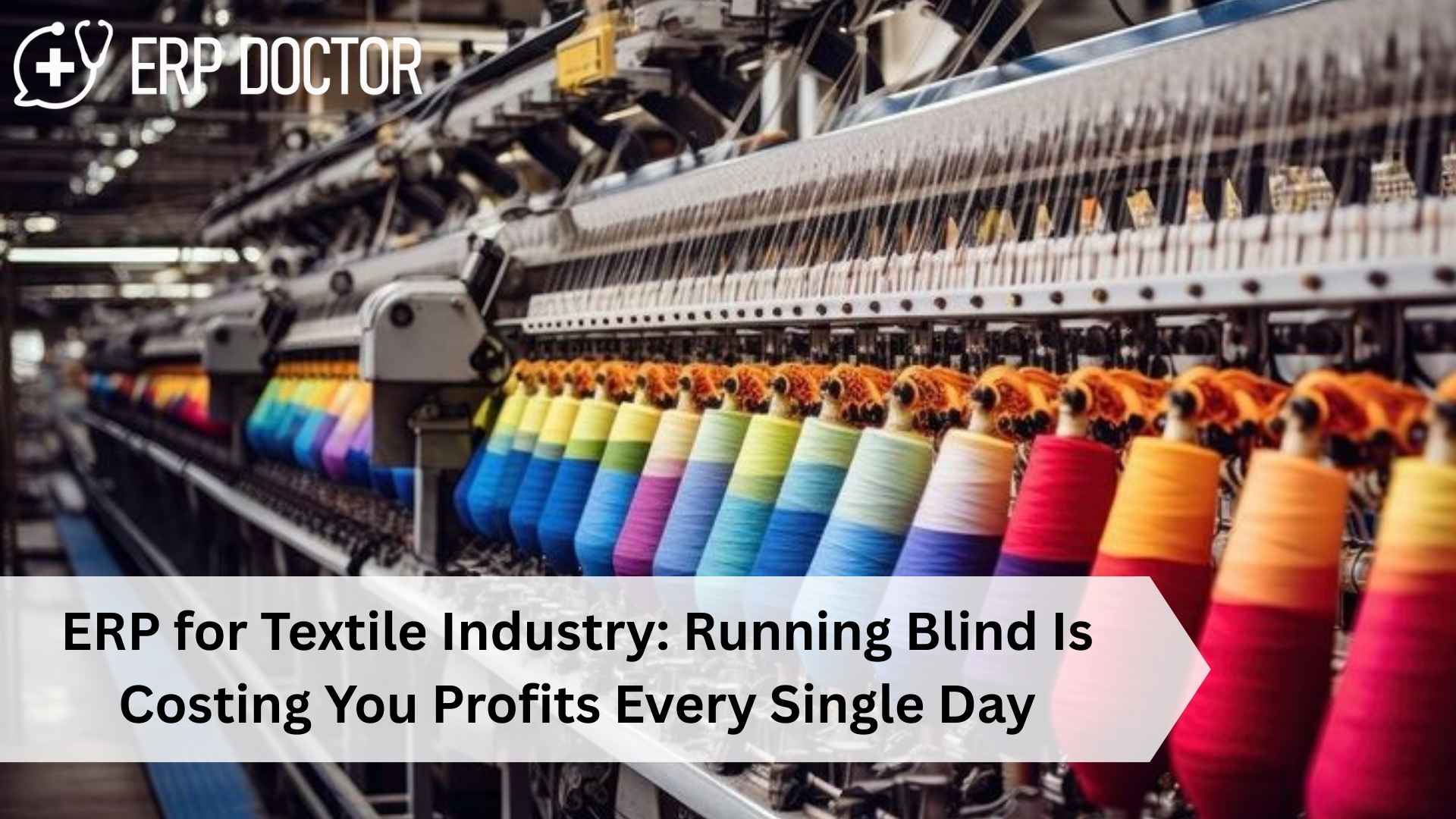
ERP for Textile Industry: Running Blind Is Costing You Profits Every Single Day
How ERP for Textile Industry leaders use to eliminate delays, wastage, and decision-making guesswork
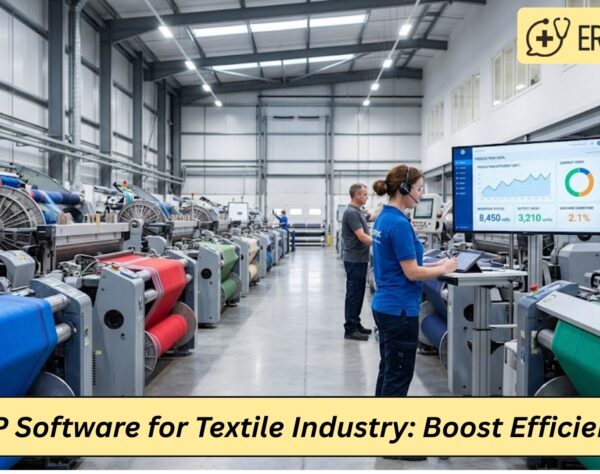
The textile business is no longer about just looms, labor, and raw material. Today, margins are thinner, delivery timelines are tighter, and customers expect flawless quality. Yet many manufacturers still rely on spreadsheets, disconnected tools, or outdated systems. Running blind like this quietly drains profits every single day. This is where ERP for Textile Industry becomes a game-changer. Emerging Alliance delivers a powerful, practical, and scalable solution that brings visibility, control, and intelligence to every stage of textile manufacturing.
Why textile-focused ERP systems are no longer optional
In the modern textile manufacturing industry, delays and wastage don’t come from lack of effort—they come from lack of information. Without a centralized ERP software for textile industry, manufacturers struggle to track inventory, monitor production, or manage orders in real time.
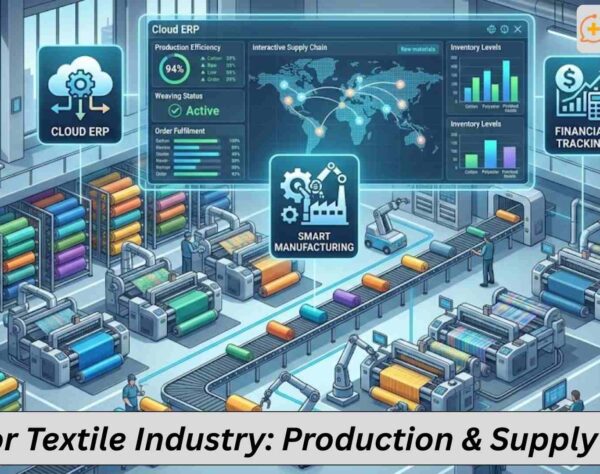
An advanced erp textile platform connects departments that traditionally work in silos. From procurement to production, from quality checks to dispatch, everything runs on one unified ERP Software backbone. This is how leading players stop firefighting and start planning.
Emerging Alliance builds ERP solutions for manufacturers that ensure decision-makers see the full picture instead of fragmented reports.
How Data-Driven Systems Eliminate Guesswork in Production
Textile manufacturing is complex: yarn counts, dye lots, batch tracking, shrinkage, and quality parameters all change daily. A generic system cannot handle this. What’s required is Textile Manufacturing ERP Software designed specifically for textile workflows.
Emerging Alliance offers CUSTOM TEXTILE ERP SOFTWARE that adapts to your processes, not the other way around. Whether it’s weaving, knitting, dyeing, processing, or garmenting, the system supports ERP Textile Manufacturing with precision.
This ERP Solution for your textile manufacturing unit eliminates assumptions and replaces them with real-time data.
Production Planning Built for Real-World Manufacturing Constraints
Missed delivery dates often start with poor planning. A robust textile manufacturing ERP software provides accurate demand forecasting, machine scheduling, and capacity planning.
Using Textile Planning & Scheduling Software capabilities, Emerging Alliance ensures production lines stay balanced and bottlenecks are identified early. This is how ERP serves for all textile manufacturing, regardless of scale.
Manufacturers using this approach gain better utilization, fewer idle hours, and consistent output.
Turning Inventory Data into Actionable Intelligence
Raw material wastage is one of the biggest hidden costs in textiles. A strong Textile Inventory Management ERP tracks yarn, fabric, chemicals, and accessories across locations and batches.
Emerging Alliance’s textile ERP software integrates inventory with production and procurement. This level of control is what modern textile enterprise software must deliver.
By using Textile ERP integrate capabilities, stock levels, reorders, and consumption are always accurate.
Quality control strengthened by ERP systems for textile manufacturers
Quality issues don’t just affect returns—they damage brand reputation. With built-in Textile Quality Control Software, Emerging Alliance ensures inspections are embedded into every production stage.
This ERP Software for textile industry links quality data directly with production and inventory. When issues arise, root causes are quickly identified, reducing rework and rejection.
This is one of the most critical FEATURES OF TEXTILE MANUFACTURING SOFTWARE that drives long-term profitability.
Order and supply chain control using ERP for textile operations
From buyer orders to shipment, textiles involve multiple dependencies. A modern Textile Order Management System combined with Textile Supply Chain Management ERP ensures transparency from order booking to final dispatch.
Emerging Alliance enables seamless coordination across vendors, warehouses, and logistics partners. This approach defines ERP for textile and manufacturing industry leaders who deliver on time—every time.
Cloud-ready ERP options designed for textile growth
Today’s manufacturers need flexibility. Emerging Alliance offers Cloud-based ERP for Textile Manufacturing, giving owners access to data anytime, anywhere.
Clients can choose Textile ERP a cloud-based or on-premise solution, depending on security, scalability, and budget needs. This Cloud-based Textile ERP ensures faster updates, easier collaboration, and lower infrastructure costs.
Custom ERP implementation built around textile workflows
Technology only delivers value when implemented correctly. Emerging Alliance focuses heavily on ERP IMPLEMENTATION and smooth implementation of ERP software tailored for textile operations.
Their experts manage the complete Textile ERP implementation, from process mapping to go-live support. The result is a system users actually adopt—not abandon.
This commitment defines CUSTOM ERP SOFTWARE FOR MANUFACTURERS who demand results, not just software.
Why Emerging Alliance is trusted for textile ERP solutions
Emerging Alliance delivers more than tools—it delivers transformation. Their Textile ERP Solution combines scalability, industry expertise, and customization.
Recognized as a provider of Best Textile ERP Software, they balance performance with transparency, including clear insights into Textile ERP Software Price and long-term ROI.
Their platform proves that the right ERP Software for textile industry can turn chaos into clarity.
FAQs About ERP for Textile Industry
1. How does an ERP system support textile manufacturing requirements?
It brings production planning, inventory control, quality checks, and order management into a single, connected system for better efficiency.
2. Is ERP software suitable for small and mid-sized textile businesses?
Yes, modern textile-focused ERP solutions are scalable and configurable, making them ideal for both growing and established operations.
3. What makes ERP solutions unique for textile businesses?
Textile-specific ERP software manages dye lots, batch tracking, shrinkage, fabric variants, and quality parameters that generic systems cannot handle effectively.
4. Can ERP systems help reduce production delays in textile units?
Yes, with real-time scheduling, capacity planning, and machine utilization tracking, ERP helps minimize bottlenecks and delays.
5. Does ERP improve quality management in textile manufacturing?
Absolutely. ERP systems integrate quality inspections, defect tracking, and compliance checks at every stage of the production process.
6. Is cloud-based ERP secure for textile business data?
Yes, cloud ERP platforms provide advanced security, regular backups, data encryption, and controlled user access to protect sensitive information.
7. How long does it take to implement ERP in a textile unit?
Implementation timelines vary based on business size and complexity, but a structured rollout ensures quicker adoption and faster returns.
8. Can ERP software integrate with existing textile tools and machines?
Yes, most ERP platforms support integration with legacy systems, machinery, and third-party applications commonly used in textile operations.
9. Does ERP enhance supply chain visibility for textile manufacturers?
ERP connects suppliers, production floors, warehouses, and logistics into a single transparent workflow, improving coordination and decision-making.
10. Why should textile companies choose industry-specific ERP instead of generic software?
Because specialized ERP systems are designed around textile workflows, reducing manual work, errors, and inefficiencies common with generic solutions.