
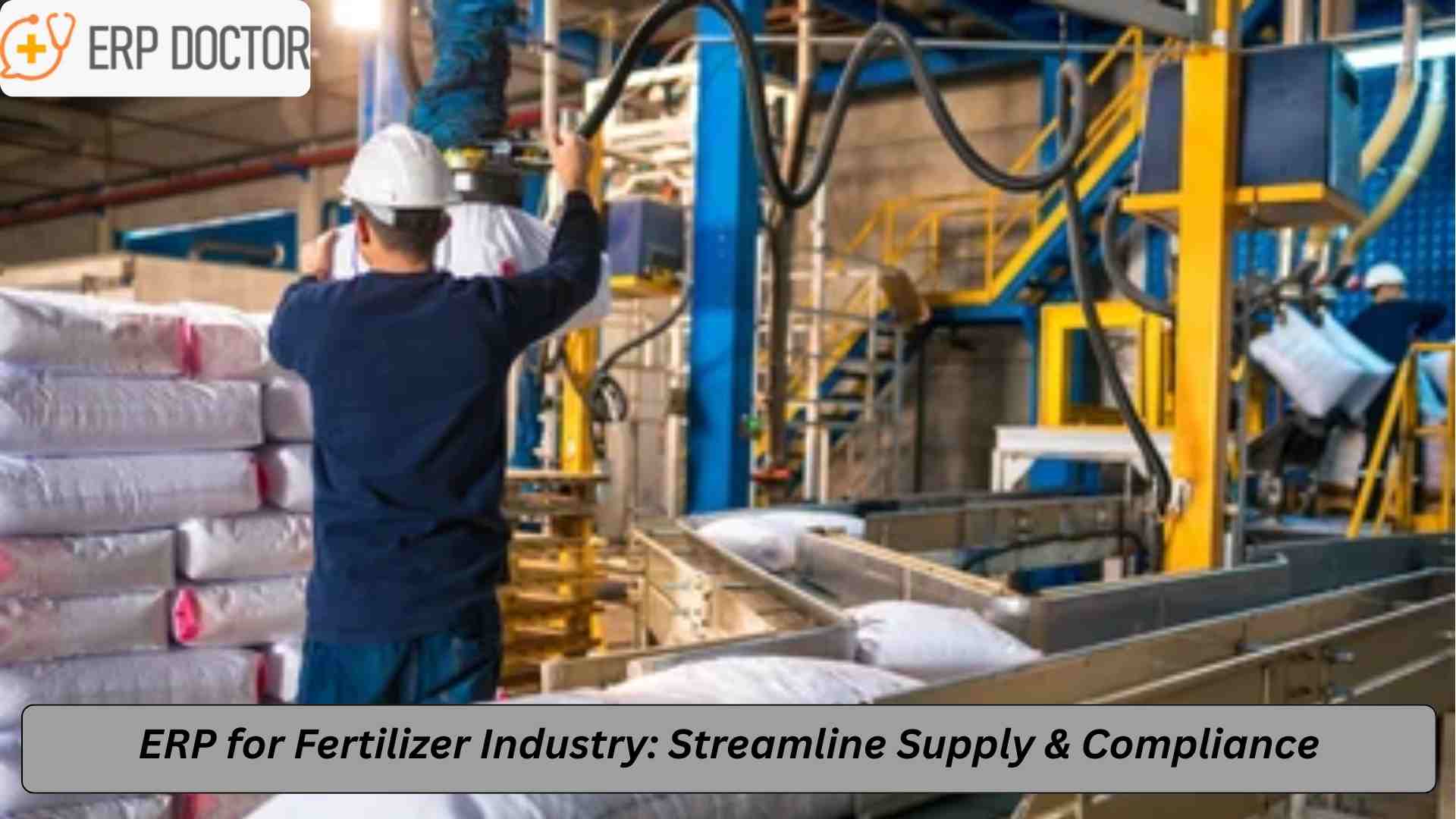
ERP for Fertilizer Industry: Streamline Supply & Compliance
ERP for Fertilizer Industry: Comprehensive Guide to Compliance & Supply Chain
The fertilizer industry faces unique challenges—from strict regulatory compliance to complex supply chains. Implementing ERP for Fertilizer Industry can transform operations, ensuring seamless inventory management, regulatory adherence, and operational efficiency. In this guide, we’ll explore how ERP solutions empower fertilizer companies of all sizes to optimize processes and enhance profitability.
Streamlining Fertilizer Production with ERP
Fertilizer manufacturing involves multiple stages, including raw material procurement, blending, granulation, and packaging. ERP for Fertilizer Industry simplifies these processes by integrating production planning, inventory tracking, and quality control into a single platform.
Key benefits include:
- Real-time monitoring of raw materials
- Automated production scheduling
- Reduced production downtime
- Accurate batch tracking for regulatory compliance
By using an ERP system, manufacturers can ensure that every production cycle meets both efficiency and safety standards.
Compliance Management in Fertilizer ERP
Regulatory compliance is critical in the fertilizer sector. Fertilizer companies must adhere to government regulations, safety standards, and environmental laws. ERP solutions provide:
- Automated regulatory reporting – Generate audit-ready reports for local and international standards.
- Traceability – Track every batch from raw materials to finished products.
- Safety compliance alerts – Ensure safe handling and storage of hazardous chemicals.
Implementing ERP software ensures that your business stays compliant, avoiding costly fines and reputational damage.
Optimizing Supply Chain with ERP
A strong supply chain is vital for fertilizer companies, from sourcing raw materials to delivering finished products. ERP integration services provide visibility and control across the supply chain.
Core advantages:
- Inventory management and demand forecasting
- Supplier management and procurement automation
- Real-time shipment tracking
- Integration with distributors and retailers
With an integrated ERP platform, fertilizer companies can reduce waste, prevent stock-outs, and respond quickly to market demands.
ERP Solutions for Small and Mid-sized Fertilizer Businesses
Not all fertilizer companies are large enterprises. Small and mid-sized businesses can also benefit from cost-effective ERP software that scales with their operations.
ERP features for smaller businesses:
- Affordable cloud ERP solutions with minimal IT overhead
- Modular systems for adding functionality as the company grows
- Easy-to-use dashboards and reporting tools
- Integration with existing accounting and logistics systems
Even mid-sized companies can leverage a smart ERP system to improve visibility and operational control without heavy upfront investment.
Custom ERP Solutions for Large Fertilizer Enterprises
Large fertilizer manufacturers have complex operations requiring custom ERP solutions to manage multiple plants, global supply chains, and diverse product lines.
Features include:
- Multi-site management and centralized control
- Advanced analytics and reporting
- Integration with IoT sensors for real-time monitoring
- Enterprise-level ERP consulting services for implementation and customization
A real-time ERP software system ensures timely decision-making and operational excellence across all business units.
ERP Implementation Best Practices
Successful ERP implementation requires careful planning and execution. Fertilizer companies should consider:
- Conducting a needs assessment to identify pain points
- Choosing an all-in-one ERP solution with the necessary modules
- Engaging ERP consulting services for smooth deployment
- Training staff and ensuring adoption across departments
- Periodic system audits and updates to maintain efficiency
Following these steps ensures a seamless ERP integration process with minimal disruption.
Leveraging Cloud ERP for Scalability
Cloud-based ERP platforms offer flexibility and scalability. Fertilizer companies can benefit from:
- Remote access for managers and field staff
- Automatic updates and security patches
- Lower upfront costs compared to on-premise ERP
- Easier integration with third-party applications
Cloud ERP is especially valuable for companies looking to expand operations without heavy IT infrastructure.
Maximizing ROI from ERP Systems
Investing in ERP software is only beneficial if it delivers measurable results. Key strategies to maximize ROI include:
- Aligning ERP objectives with business goals
- Regularly analyzing ERP data for insights
- Customizing dashboards for critical KPIs
- Streamlining workflows and automating repetitive tasks
With the right strategy, an ERP platform can significantly boost efficiency, reduce costs, and improve compliance.
Conclusion: Boost Fertilizer Industry Performance with ERP Solutions
Implementing an ERP system in the fertilizer industry is a strategic step for companies seeking to enhance supply chain efficiency, ensure regulatory compliance, and drive overall operational performance. From small manufacturers to large enterprises, the right ERP software delivers real-time insights, automates critical processes, and lays a strong foundation for sustainable growth.
By partnering with ERP Doctor, fertilizer companies can transform their operations with expert ERP implementation and support. ERP Doctor specializes in customizing ERP solutions to optimize supply chains, ensure full compliance with industry regulations, and provide actionable real-time insights. With ERP Doctor’s guidance, businesses in the fertilizer sector—from small manufacturers to large enterprises—can streamline processes, enhance productivity, and achieve sustainable growth with confidence.
Frequently Asked Questions About ERP for Fertilizer Industry
1. What is ERP for the Fertilizer Industry?
ERP (Enterprise Resource Planning) for the fertilizer industry is specialized software that integrates production, inventory, supply chain, and compliance management into a single platform. It helps companies streamline operations and maintain regulatory standards.
2. How does ERP improve fertilizer production efficiency?
ERP automates production planning, monitors raw material usage in real-time, schedules production cycles, and tracks batches. This reduces downtime, ensures quality, and optimizes resource utilization.
3. Can ERP help with regulatory compliance?
Yes. ERP systems generate audit-ready reports, track every batch from raw material to finished product, and provide alerts for safety and environmental compliance, helping companies meet local and international regulations.
4. How does ERP optimize the fertilizer supply chain?
ERP provides visibility into inventory levels, supplier management, procurement automation, and shipment tracking. It helps prevent stock-outs, reduce waste, and improve distribution efficiency.
5. Is ERP suitable for small and mid-sized fertilizer companies?
Absolutely. Cloud-based and modular ERP solutions offer affordable, scalable options for smaller businesses, allowing them to integrate accounting, logistics, and reporting without heavy IT investments.
6. What ERP features are important for large fertilizer enterprises?
Large manufacturers need multi-site management, advanced analytics, integration with IoT sensors, and enterprise-level customization to manage complex operations and global supply chains efficiently.
7. What are best practices for implementing ERP in fertilizer companies?
Key steps include conducting a needs assessment, selecting an all-in-one ERP solution, engaging expert consulting, training staff, and performing regular system audits for continuous improvement.
8. How does cloud ERP benefit fertilizer businesses?
Cloud ERP offers remote access, automatic updates, lower upfront costs, and seamless integration with other applications. It provides flexibility and scalability as operations grow.
9. How can fertilizer companies maximize ROI from ERP?
Align ERP objectives with business goals, automate workflows, monitor key performance indicators (KPIs), and regularly analyze ERP data to make informed decisions and reduce operational costs.
10. Why partner with ERP Doctor for fertilizer ERP implementation?
ERP Doctor specializes in customizing ERP solutions for the fertilizer sector, ensuring compliance, optimizing supply chains, and providing actionable real-time insights. Their expertise helps companies streamline operations and achieve sustainable growth.